The aim is to arrange a meeting where both people can participate comfortably. A clever idea is optional. Clear logistics and room to talk are more useful.
The suggestions here are planning options, rather than claims that a particular activity creates compatibility. Basic precautions follow RAINN’s advice about public meeting places and independent transportation.
Check the practical details before choosing an activity
Start with the things that could make an otherwise good idea difficult. Ask about preferred area, budget, and any access needs that matter for the plan.
You could write, “Would a quiet café near the station work, or would you prefer somewhere else? I’m happy to choose a place with step-free access.”
Do not assume someone wants to explain a disability or health condition. You can ask what the venue needs to offer and work with the answer.
Decide on an approximate duration. An hour gives a first meeting a clear shape, but it is a suggested starting point, not a required limit. Agree on a plan that leaves either person able to finish without an elaborate excuse.
Coffee or tea with a clear end time
A café can work well when you want a straightforward conversation and a manageable cost. Choose somewhere with seating, a tolerable noise level, and opening hours that match the proposed time.
The specific venue matters more than the category. A busy café beside a loud machine may be harder to talk in than a quiet restaurant at an early hour.
A simple invitation could be, “Would you like to meet for tea on Sunday around three? I have about an hour before another plan.”
Use an actual commitment if you mention one. You can also simply say you would like to keep the first meeting short.
Check whether ordering a drink is comfortable for both of you. A non-alcoholic plan can be an easy default, without requiring either person to explain why they prefer it.
A public gallery with time to talk
A small exhibition gives you a shared subject without demanding an uninterrupted conversation. You can notice what interests each other and compare reactions.
Keep the visit modest. Trying to see every room can turn a relaxed meeting into a task. Agree to explore part of the exhibition, then decide whether you both want to sit down afterward.
Check ticket costs, booking requirements, and accessibility before sending the invitation. A venue described as affordable online may still be beyond someone’s budget.
Avoid turning the visit into a knowledge test. You can say what you notice without asking the other person to identify artists or defend their taste.
A daytime walk in a busy, accessible area
A short walk may suit people who enjoy being outside, provided the route works for both. Check distance, surfaces, seating, and the weather.
Choose an area with other people around and an easy place to finish. A remote trail asks for more trust and planning than a first meeting needs.
RAINN recommends busy public locations and keeping control of your own transport. You can meet at the starting point and leave separately, even if the date goes well.
Offer a seated alternative. “Would you prefer a short walk by the main square or coffee somewhere nearby?” gives someone a choice without requiring a personal explanation.
Do not describe a route as easy on someone else’s behalf. Let them decide whether it suits them.
A casual lunch during a quieter hour
Lunch can work when evenings are difficult or when you prefer a meeting with a natural endpoint. Pick a place where neither person needs to study an unfamiliar menu under time pressure.
Ask about dietary requirements before booking. You do not need a detailed history; you need enough information to choose somewhere with suitable options.
Discuss the likely price range. If you choose an expensive venue without checking, the other person may feel uncomfortable either accepting or objecting.
For busy professionals, a weekend lunch can also avoid the uncertainty of a meeting squeezed between work calls. If you choose a weekday, be honest about the time available.
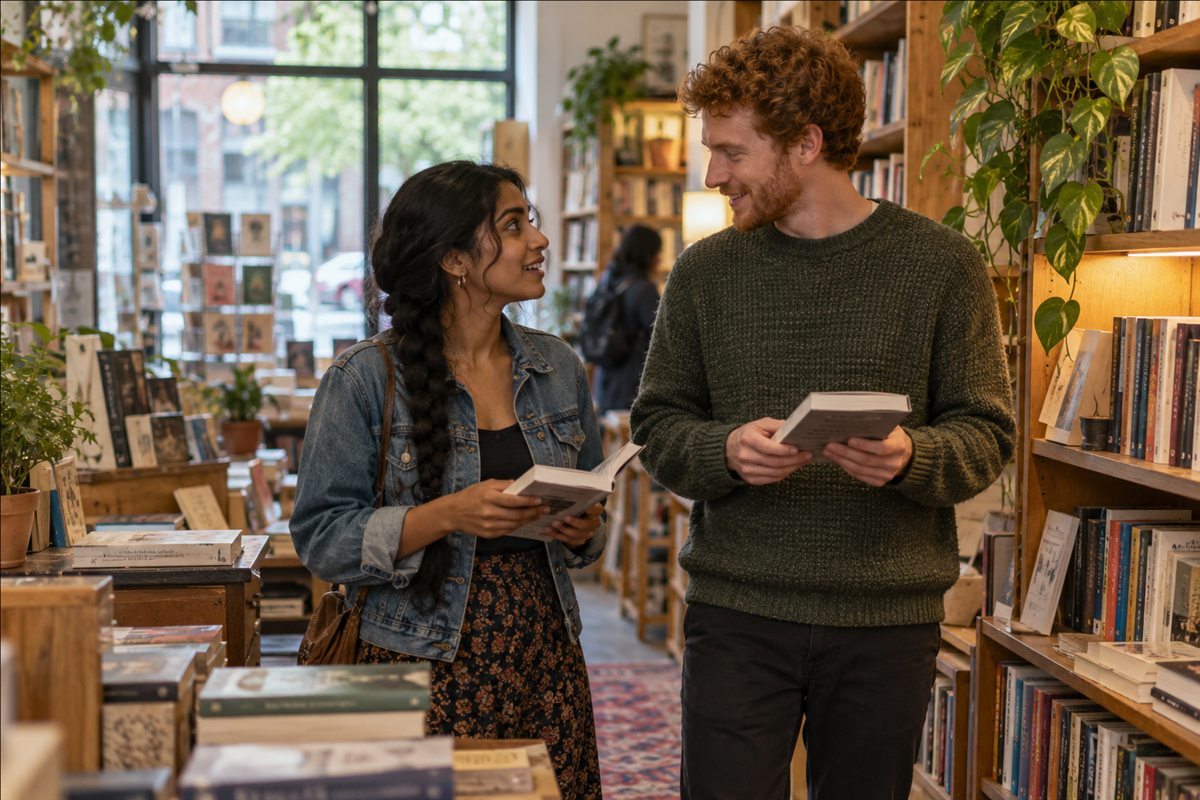
A bookstore visit with a nearby place to sit
A bookstore can offer conversation openings if both people enjoy browsing. You might each point out a book you liked or a subject you know little about.
Check that the venue welcomes browsing and has enough room. A small, crowded shop may leave you whispering or blocking other customers.
The date does not need to involve buying anything. Mention that the plan is to browse, then perhaps get a drink if you both want to.
Avoid using books as a measure of intelligence or character. Someone’s reading preferences give you a topic to explore, not a complete account of their values.
A small activity you both already enjoy
A short craft session, a casual game, or a public market visit may fit if you have already discussed the interest. Check the cost and how much attention the activity requires.
An activity can become awkward when one person is teaching, competing, or concentrating so intensely that little conversation happens. Ask yourself whether you could still get to know each other while doing it.
Avoid booking a long, expensive event as a surprise. The other person should be able to make an informed choice about time and cost.
If the activity requires equipment or a skill, explain that beforehand. An invitation feels more welcoming when the practical expectations are visible.
Match the idea to your shared circumstances
Use the table as a planning aid.
| What you need | A possible starting point | What to check |
|---|---|---|
| A lower-cost meeting | Tea or a public exhibition | Minimum spending and ticket prices |
| Less background noise | An off-peak café | Music, seating, and nearby traffic |
| A short time commitment | Lunch or coffee | Service speed and opening hours |
| Some movement | A brief public walk | Access, weather, seating, and transport |
| A shared talking point | A gallery or bookstore | Whether conversation is welcome |
| Different energy levels | A seated meeting with an optional extension | Whether either person can finish easily |
No option is universally relaxed. Ask what works for this person, then choose together.
Avoid making the extension automatic
If the meeting is going well, you can suggest more time without assuming it. “I’d enjoy another coffee, but I know we planned an hour. How are you doing for time?”
An enjoyable date can also end as agreed. Leaving while both of you have energy may suit you better than stretching the meeting until one person is tired.
If the plan stops working, adjust openly. You might move to a quieter public venue or finish early. You do not need to continue an activity just because you paid for it.
Common first date planning questions
Is dinner too much for a first date?
It depends on your preferences, budget, and time. Check those first. A simpler meal can work if both people want it and can leave independently.
What if we prefer different activities?
Look for an option you both find acceptable. You do not need matching hobbies to arrange one comfortable meeting.
Do I have to suggest something unusual?
No. A familiar activity can give you more attention to offer the person. Originality in the plan is less useful than a setting where you can both take part.
Send one concrete suggestion and a genuine alternative. Once you agree, confirm the place and time so the date can begin without avoidable confusion.